Last updated:
The Capitoline Museums present an extraordinary exhibition dedicated to Diego Rivera and the roots of modern Mexican art. The exhibition, hosted in the prestigious Villa Caffarelli, documents with over 140 works the artistic journey from classical academicism to revolutionary Mexican muralism.
Diego Rivera and his Roman period
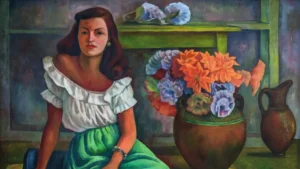
Diego Rivera, one of the most important artists of the 20th century, spent time in Rome at the beginning of his career. During this formative period, he studied the masters of the Italian Renaissance and classical art – experiences that would profoundly influence his later monumental work in Mexico.
The exhibition at the Capitoline Museums highlights precisely this connection between Rome and the development of modern Mexican art, showing how the Italian artistic heritage merged with indigenous Mexican traditions to create a new revolutionary artistic language.
From academicism to muralism
The exhibition traces the artistic path that led from academic painting to Mexican muralism, a movement that gave voice to the social and political concerns of post-revolutionary Mexico. The over 140 works on display include paintings, drawings and preparatory studies documenting this evolution.
Alongside Rivera’s works, the exhibition presents pieces by other important Mexican artists, offering a comprehensive overview of the artistic movement that revolutionized 20th-century art.
Practical information for your visit
The exhibition is open daily from 9:30 AM to 7:30 PM until December 13, 2026. Villa Caffarelli, where the exhibition is held, is part of the Capitoline Museums complex on the Capitoline Hill.
To visit the exhibition, you need to purchase tickets for the Capitoline Museums, which include access to the entire permanent collection as well as temporary exhibitions.
The Capitoline Museums are located at Piazza del Campidoglio 1, within walking distance from the Colosseum and the historic center. The nearest metro station is Colosseo (line B).
Source: Vatican News