Last updated:
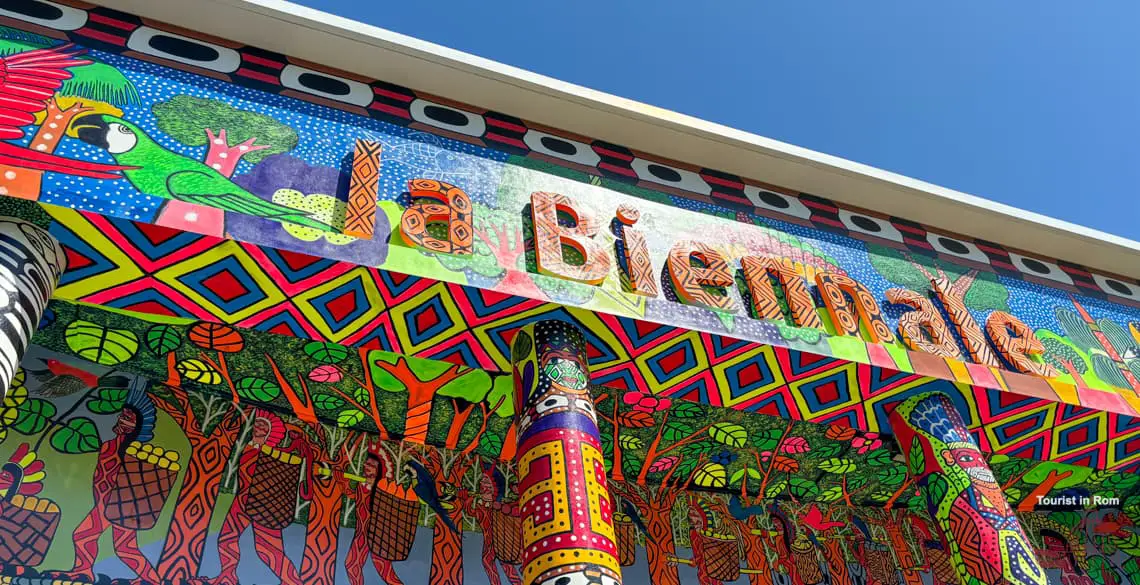
The Biennale di Venezia is one of the most important art exhibitions in the world. Every two years Venice transforms into a vast open-air museum – with art in the Giardini, the Arsenale and countless pavilions spread across the entire city.
Biennale Arte 2026
The 61st International Art Exhibition runs from 9 May to 22 November 2026 under the title “In Minor Keys”. The curator is Koyo Kouoh, a Senegalese-South African art historian and museum director. A distinctive feature of the 2026 edition: instead of a traditional jury, two Visitors’ Lions will be awarded for the first time – one for the best participant in the exhibition and one for the best national participation. All participating countries are automatically included in the vote.
Alongside the art biennale, Venice also hosts 2026 festivals for Cinema, Dance, Music and Theatre – all under the umbrella of the Biennale di Venezia.
Where does the Biennale take place?
The art biennale takes over Venice during the summer and early autumn months. Art can be found almost everywhere in the city, but the greatest concentration is at the three main venues: the Giardini della Biennale, the Arsenale and Forte Marghera.
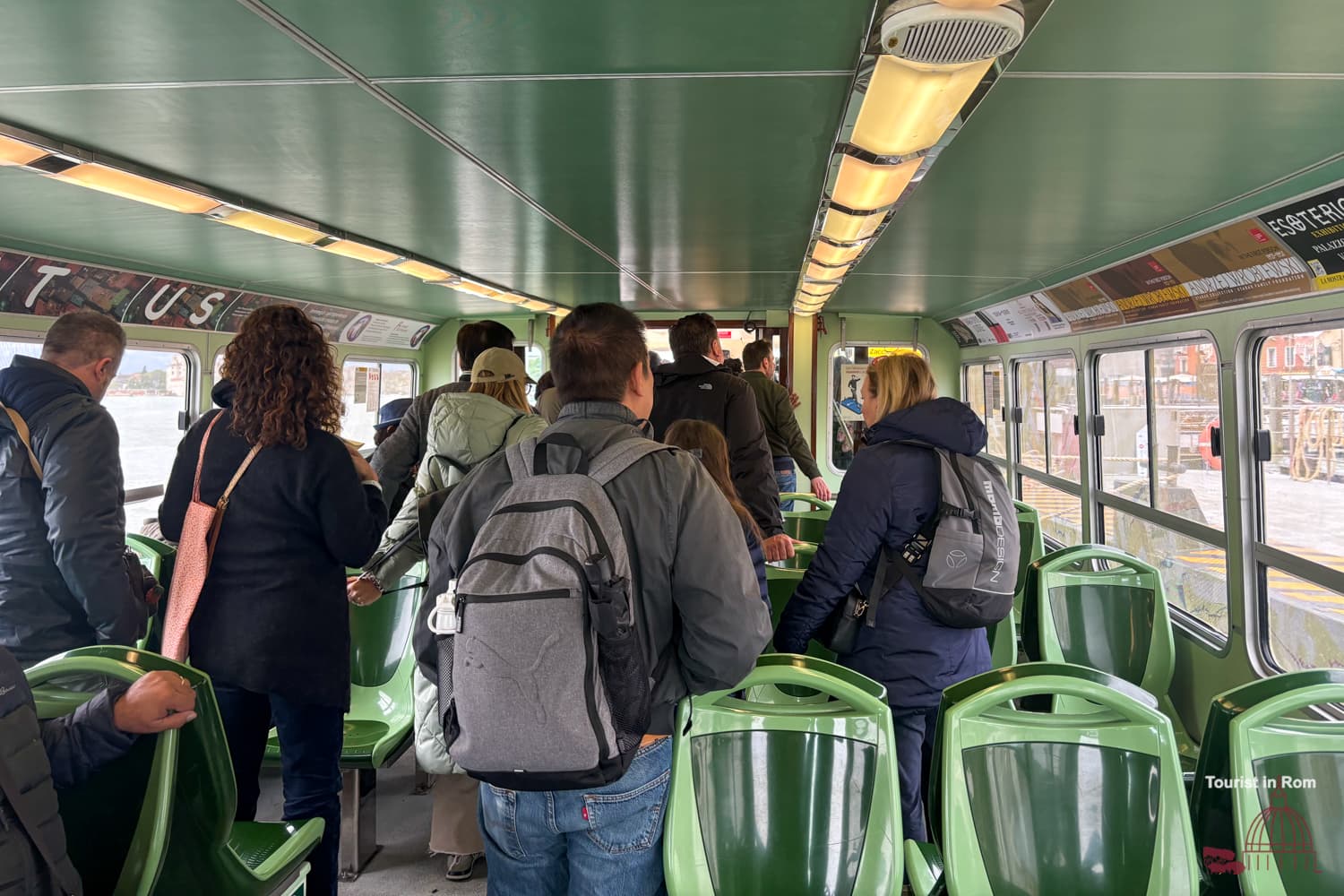
The Giardini and the Arsenale are separate venues but can be visited with the same ticket – on any day within the entire run of the exhibition. Both are easily reached by vaporetto. The “Giardini” stop is served by lines 4.2, 5.2 and 6; the “Arsenale” stop by lines 1, 4.1 and 4.2. Both stops are easily accessible from St Mark’s Square.
Although the two main venues are not far apart, we recommend not visiting them on the same day. Art can be overwhelming – it is worth taking the time to really experience each pavilion. If you can, plan for at least 3 days: one for the Giardini, one for the Arsenale, and one for the external pavilions around the city.
In addition, there are numerous external pavilions from individual countries and institutions scattered throughout the city, which in most cases can be visited free of charge – no ticket required.
Opening hours
Giardini · Arsenale · Forte Marghera
Summer opening hours (May – September): daily 11 am – 7 pm (last entry 6:45 pm) Until end of September, the Arsenale opens extended hours on Fridays and Saturdays until 8 pm (last entry 7:45 pm)
Autumn opening hours (October – November): daily 10 am – 6 pm (last entry 5:45 pm)
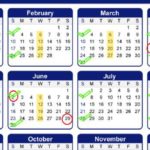
Closed on Mondays – except for the following dates: 11 May, 1 June, 7 September and 16 November.
Tickets and prices
Tickets are available exclusively online, with a booking fee of €0.50. Booking in advance is also considerably cheaper than paying at the door.
| Ticket | Early Bird | Regular |
|---|---|---|
| Single ticket | €25 | €30 |
| Single ticket – students | €12 | €16 |
| 3-day ticket | €30 | €40 |
| Season pass (Accredito) | €60 | €80 |
| Season pass – students/under 26 | €30 | €45 |
A single ticket gives one entry each to the Giardini and the Arsenale – on any day within the entire run of the exhibition. Anyone wishing to visit the Biennale again must purchase a new ticket. For a more in-depth visit, the 3-day ticket is worth considering.
Guided tours with a fixed departure schedule cost €8 per person per venue (early bird price; regular price €10). The entry ticket is not included. Guided tours run Tuesday to Sunday at 11:15 am and 2:15 pm until the end of September; from late September onwards on Saturdays and Sundays only.
Our tips for the Biennale
Buy tickets in advance
Purchase your ticket through the official Biennale website. With a standard single ticket you have one entry to the Giardini and one to the Arsenale – on any day throughout the entire run. Anyone wishing to visit again must buy a new ticket. For a thorough visit, the 3-day ticket is the better option.
Deposit your luggage first
A visit to the Biennale involves a lot of walking and standing – heavy bags make it unnecessarily tiring. Around the Arsenale, the Giardini and the main train stations there are plenty of lockers and left-luggage facilities. Most hotels and hostels also offer luggage storage. A backpack or handbag is of course no problem.
Don’t miss the external pavilions
Scattered throughout the city are numerous external pavilions from individual countries and institutions. They are often just as fascinating as the main exhibition – and in most cases entry is free, no ticket needed.
Getting around by vaporetto
The most convenient way to get around Venice is by vaporetto (water bus). Anyone planning several journeys will save considerably with a day pass or multi-day pass compared to single tickets. The pass is valid across the entire ACTV network.
Vaporetto pass – tickets for the ACTV network
Accommodation in Venice
Anyone planning more than one day – which is strongly recommended for the Biennale – will find hotels in Venice to suit every taste and budget. Early booking is advisable, as Venice fills up quickly during the season.
Getting there from Rome
From Rome, the high-speed train reaches Venice in around 3.5 hours. Trains depart from Roma Termini and arrive at Venezia Santa Lucia station, right on the Grand Canal. Trenitalia and Italo both offer regular services; early booking is recommended, especially during the season.
Venice can also be visited as a day trip – though a Biennale visit calls for at least a full day. An overnight stay is therefore strongly recommended. A day in Venice
FAQ: Frequently asked questions about the Venice Biennale
When does the Biennale Arte 2026 take place?
From 9 May to 22 November 2026 in Venice.
Where does the Biennale take place?
The main venues are the Giardini della Biennale, the Arsenale and Forte Marghera. There are also numerous external pavilions across the city, most of which are free to enter.
How much do tickets cost?
A single ticket costs €25 (early bird) or €30 (regular). Students pay €12 or €16. A 3-day ticket costs €30 (early bird) or €40.
Where can I buy Biennale tickets?
Exclusively online, through the official website of the Biennale di Venezia.
What is included with a single ticket?
One entry to the Giardini and one entry to the Arsenale, on any day within the entire run of the exhibition.
When is the Biennale closed?
On Mondays – except 11 May, 1 June, 7 September and 16 November.
Are the external pavilions free?
In most cases yes – entry to the external pavilions around the city is free of charge.
How do I get from Rome to Venice?
By high-speed train in around 3.5 hours from Roma Termini to Venezia Santa Lucia.
How many days should I allow for the Biennale?
At least 3 days: one for the Giardini, one for the Arsenale, and one for the external pavilions around the city.